
In the world of running, the quest for improvement is never-ending. Whether you’re a seasoned marathoner or a novice jogger, the drive to become faster, stronger, and more resilient is universal. Amid this pursuit, physiotherapy treatment and strength training often comes up as a key component. However, there’s a growing trend that promotes single leg exercises as the holy grail of running-specific strength training. This perspective needs a rethink. Let’s delve into why single leg exercises aren’t necessarily specific to running and why a balanced approach, incorporating both bilateral and unilateral exercises, is more beneficial.
The Misconception of Specificity
The idea that single leg exercises are specific to running stems from the observation that running involves one leg in contact with the ground at a time. While this is true, it’s a misconception to equate this with the need for single leg exercises to mimic running movements. The specificity principle in training states that training should closely replicate the actual activity for maximum benefit. However, running is specific to running. No exercise, single leg or otherwise, can perfectly replicate the biomechanical and neuromuscular demands of running which is why the right physiotherapy solutions and strength regimen are essential for improving performance and injury prevention.
“Our expert physiotherapists consistently see better results when runners combine bilateral and unilateral strength work—not when they attempt to mimic running mechanics in the gym.”
The Role of Bilateral Strength Exercises
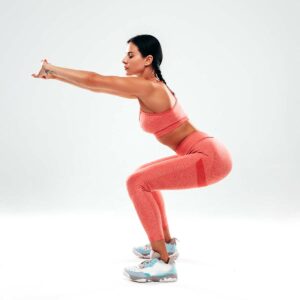
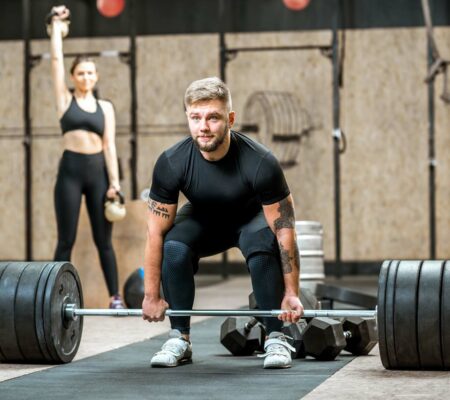
Bilateral strength exercises, such as squats and deadlifts, play a crucial role in developing overall strength and power. These exercises allow for greater loads to be lifted compared to single leg variations, leading to significant strength adaptations. When you perform bilateral exercises, you engage large muscle groups and train your body to generate and withstand higher forces. This increased strength translates into a more powerful and resilient runner, capable of better performance and reduced injury risk.
Single-Leg Exercises Improve Control, Not Max Strength
“Unilateral exercises excel at improving balance, pelvic stability, and correcting asymmetries, but that doesn’t replace the high-force benefits of bilateral strength work. The best results come from combining both.”
The Pitfalls of Single Leg Exercises
Single leg exercises, while valuable, have limitations. Due to the inherent instability and balance required, they often cannot be loaded as heavily as bilateral exercises. This means that while they may improve balance and stability, they might not provide the same strength adaptations. Relying solely on single leg exercises can lead to a lack of sufficient load to drive the necessary strength gains. Moreover, attempting to mimic running with these exercises can sometimes lead to movements that do not accurately represent the mechanics of running, potentially leading to inefficient training. Consulting a physiotherapy clinic can help address these imbalances.

The Balance of Both Worlds
Strength training for runners should focus on making the athlete more resilient and robust, not on mimicking the exact movements of running. A balanced approach that incorporates both bilateral and unilateral exercises is essential. Here’s why:
1. Increased Strength and Power: Bilateral exercises like squats, deadlifts, and leg presses allow for heavier weights, leading to greater strength gains. This increased strength contributes to better running economy and performance.
“Improving strength means your body uses less energy at the same pace, which translates to faster times and the ability to maintain form further into a run.”
2. Improved Stability and Coordination: Single leg exercises such as lunges, step-ups, and single-leg deadlifts improve balance, coordination, and address any asymmetries. They are excellent for enhancing proprioception and joint stability.
3. Injury Prevention: A mix of both types of exercises ensures comprehensive muscle development. Bilateral exercises strengthen major muscle groups, while unilateral exercises target stabilising muscles, reducing the risk of common running injuries. A well-designed strength program combined with the right physiotherapy treatment can significantly reduce injury risks.
4. Functional Strength: While no exercise can perfectly replicate running, a variety of strength exercises develop the functional strength necessary for running. This functional strength helps runners to handle the diverse demands placed on their bodies during different phases of running.
Conclusion
Chasing the idea that single leg exercises are the ultimate solution for runners can lead to imbalanced and ineffective training. Instead, a well-rounded strength program that includes both bilateral and unilateral exercises builds true strength, resilience, and running efficiency. Strength training should enhance your running—not attempt to replicate it. By focusing on overall strength, power, and stability, you set yourself up for better performance and long-term injury prevention.
If you’re ready to train smarter and improve your running technique, our expert team, at The Movement Mill, is here to help. You can visit us in Baulkham Hills for personalised physiotherapy and strength programming tailored to your goals.
Book your assessment today and take the next step toward becoming a stronger, faster, and more injury-resistant runner. Stay strong, run smart, and keep pushing your limits.
FAQs
Are single leg exercises specific to running?
Single leg exercises are helpful for improving balance and stability, but they are not truly specific to running biomechanics. Running is its own unique movement pattern, and no gym exercise—single-leg or bilateral—can perfectly mimic it. That’s why a balanced strength program is more effective for improving running performance.
What is the best strength training for runners to improve performance?
The best strength training for runners includes a combination of bilateral exercises (such as squats and deadlifts) and unilateral exercises (such as lunges and step-ups). This approach improves running efficiency, power, and injury prevention, making it more beneficial than focusing solely on single leg work.
Do single leg exercises help prevent running injuries?
Single leg exercises can help address asymmetries, balance, and joint stability, which play a role in preventing common running injuries. However, the most effective injury prevention strategy combines unilateral exercises with heavy bilateral strength training to build full-body resilience.
Should runners include bilateral exercises like squats and deadlifts in their training?
Absolutely. Bilateral exercises allow runners to lift heavier loads, improve lower-body strength, and enhance running economy. These exercises provide greater strength adaptation than single leg variations alone, making them essential for any runner’s strength training program.
How can physiotherapy help runners improve strength and avoid injuries?
A physiotherapist can assess your movement patterns, identify muscle imbalances, and design a running-specific strength program combining both bilateral and unilateral exercises. This personalised guidance helps runners build strength safely, improve technique, and reduce the risk of overuse injuries.