DID YOU KNOW that ACL injuries occur 2-8 times more in female athletes than males in comparable sports? This prevalence is not simply due to “weaker knees” but rather a range of factors that can be easily managed with quality training.
Here at The Movement Mill in Baulkham Hills, we are trained in all aspects of ACL rehabilitation, whether that’s pre-surgery (prehab), post-surgery, or non-surgical (conservative) rehabilitation. After your first ACL tear, the risk of re-injury is extremely high (upwards of 30%), and remains high for up to two years after returning to sport, which is why proper rehabilitation is so important in your recovery and for returning to sport. As your local ACL physio team in Baulkham Hills, our specialists can curate a recovery program that is tailored specifically to you and your goals, to get you back doing the things you love.
What is an ACL Tear?
The ACL is one of four major ligaments in the knee, all working together to keep your knee stable while you walk, run, and change direction.
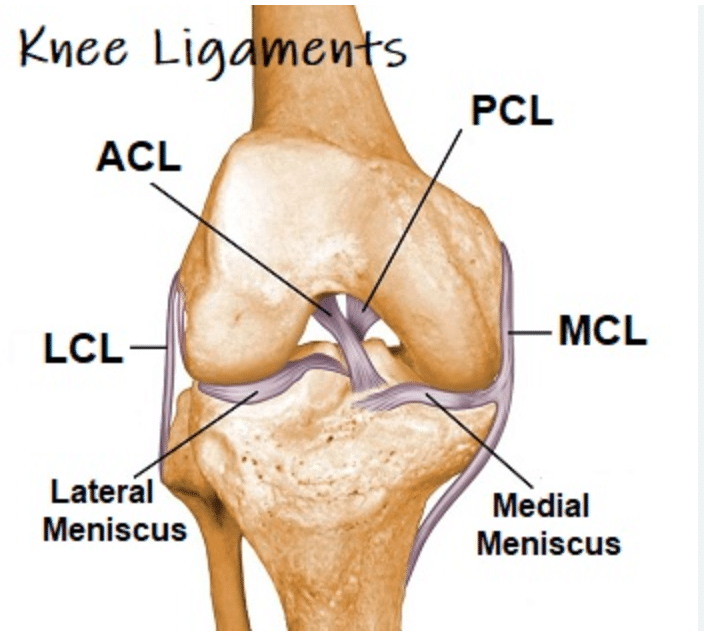
ACL tears generally happen when your knee goes one direction but the lower part of your leg (tibia and fibula) go in the opposite direction, creating a force too great for the ACL to withstand. This force is usually from a twisting and hyperextension position. They usually occur without contact, which makes ACL tears difficult to predict but definitely preventable.
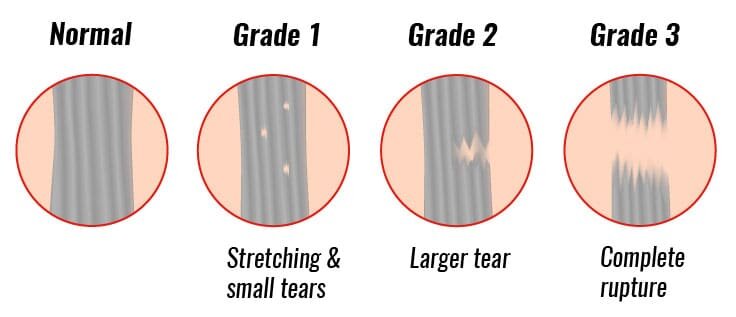
- Grade I – slight tear in the ligament fibres
- Grade II – partial tear in the ligament fibres but still mostly intact
- Grade III – complete tear (or rupture) of the ligament
ACL Treatment Options at The Movement Mill, Baulkham Hills
There are a few ways to treat an ACL injury, these include:
Conservative Management
This is the non-surgical option and requires specific criteria to be met to qualify for this method. It is known as the cross-bracing protocol and structured physiotherapy, where successful rehab relies on expert advice from your physiotherapist and commitment to rehab for 9-12 months.
Prehab
Prehab involves preparing you for surgery by strengthening the muscles around the knee to improve your post-surgical recovery. Research has shown that completing prehab 4-6 weeks before surgery can help to improve early strength and regaining range in the knee, as well as improving the odds of returning to sport. The aim is to reduce swelling, restore range of motion back in your knee, and increase strength to improve post-surgical outcomes. Physiotherapy before surgery sets the foundation for success post-surgery.
Post-surgical Rehab
Post-op rehabilitation is arguably the most important part of recovery. When you come out of surgery there will be lots of swelling and possibly bruising. This is all completely normal, but it is important to start your physio journey as soon as possible (some patients come a day or two after surgery!) to have the best outcome in restoring range in your knee joint and strengthening your muscles again. Post-surgical rehab is generally 9-18 months, which, yes, is incredibly long but it takes time, patience and commitment to your recovery to fully return to sport safely (time flies when you’re having fun at physio).
In these 9-18 months, we focus on restoring range and flexibility as a foundation, then move into strengthening, before focusing on sport-specific factors like speed, agility, coordination, and endurance depending on your sport and goals. As your range and initial strength levels increase, you may transition from working with a physiotherapist over to working with an exercise physiologist. Exercise physiologists are health care professionals who are great at mid to end stage rehabilitation and getting you back to returning to sport.
Safe Return to Sport After an ACL Injury
The keyword here is SAFE. Returning to sport is never purely time-based but based on strength (we want both legs to be as strong as the other); functional testing (so speed and agility/changing direction), and coordination of multiple movements. As well as the quality of these movements and how confident YOU are in your knee. There are multiple tools and assessments that are used to track your progress in all these areas as well as questionnaires. If you aren’t confident about returning to sport, then you’re not ready and that is okay! Everyone is different.
ACL Injury Prevention Tips from Our Baulkham Hills Physiotherapists
There are ways to reduce the risk of ACL injuries, especially in high risk sports like Soccer, Netball, Basketball, AFL and NRL. For example, Soccer has the FIFA-11+ protocol and Netball has the Netball Australia Knee program. Both of which focus on strength, plyometrics, balance and controlling movements.
These prevention strategies are great for clubs and coaches to implement from young age groups to significantly reduce the risk of ACL injuries in their athletes.
Rehabilitation is an Experience!
ACL injuries are complex but the right support from a physiotherapist or exercise physiologist goes a long way. They will guide you through every stage of rehab with education and how your body is recovering at that stage; programs tailored specifically to you and your goals, whether that’s getting back to recreational running or high level sport. There is also ongoing reassessment so you can see in real time how much progress you are making, as well as providing you with prevention strategies, like the ones mentioned above.
At the end of the day, we want you to make a full recovery, return to doing the things you love with confidence, and living the life you want.
Book ACL Physio in Baulkham Hills
If you’ve suffered an ACL tear or want to reduce your risk of one, The Movement Mill’s Baulkham Hills physiotherapists and exercise physiologists are here to help. Book an assessment today and let our team build you a recovery plan tailored to your goals.
References
https://pmc.ncbi.nlm.nih.gov/articles/PMC8811524/